
Who Decides What Happens to 245 Million Acres of Public Land?
BLM Lands Part 2: Uses, Designations, and Why It All Matters
Last week we broke down what the BLM is, the law that defines what it does, how much land it manages, and why it’s concentrated where it is. This week’s deep dive focuses on how that land is managed, what happens on it, special designations within it, and why any of this matters.
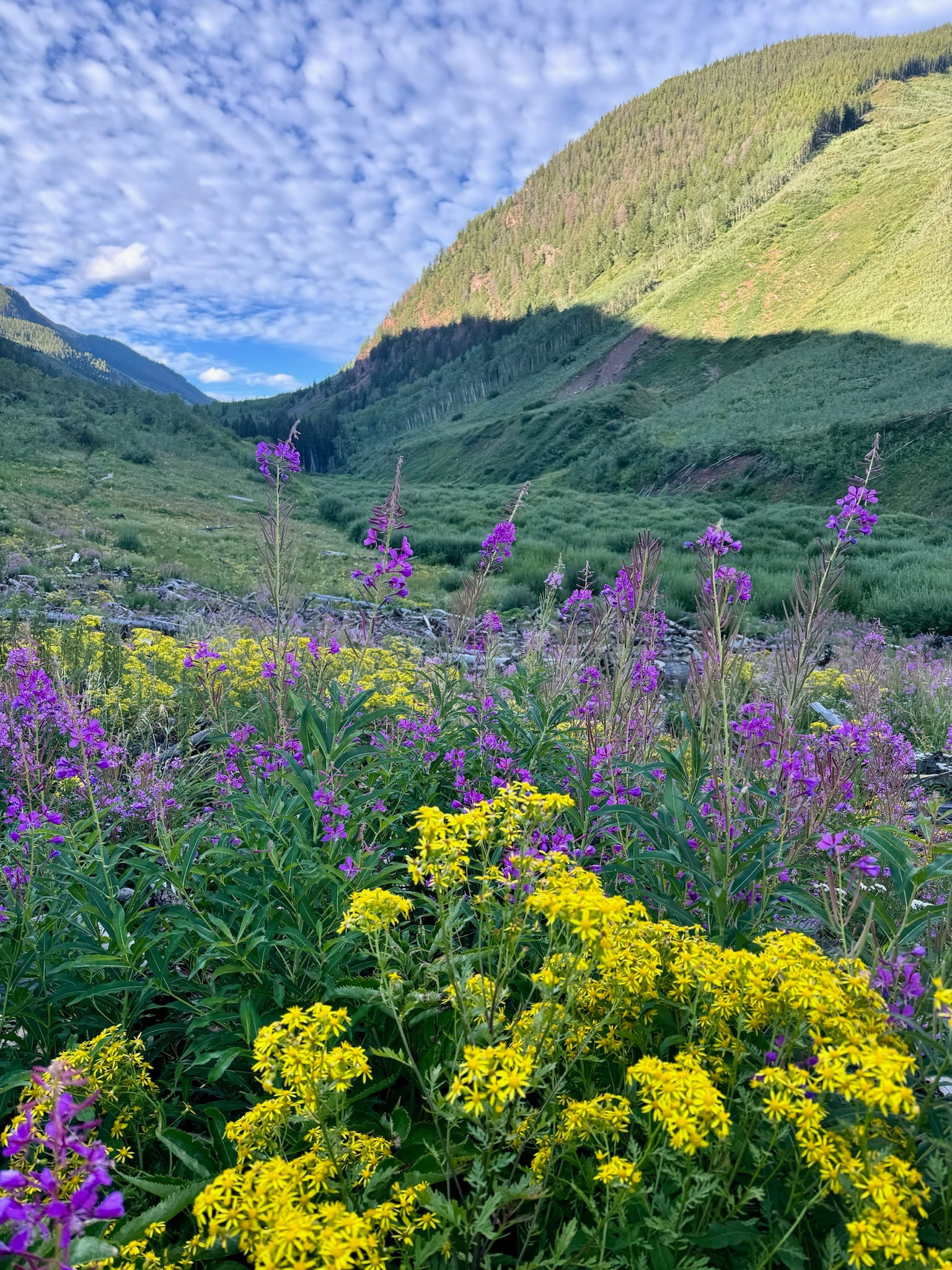
How is BLM land actually managed?
The day-to-day management of BLM land flows from a single governing document: the Resource Management Plan, or RMP. RMPs serve as blueprints to keep public landscapes healthy and productive, guiding how the BLM manages a specific area of public land over a period of typically 20 years. The RMP defines what activities are permitted, restricted, or prohibited in a given area — covering everything from where energy leasing is allowed to how off-highway vehicle use is designated to what areas are set aside for conservation.
RMPs are generally developed at the field office or district office level, prepared by an interdisciplinary team under the direction of a field or district manager. State Directors provide oversight and approve the final plan. The BLM operates through a network of state, district, and field offices spread primarily across the western states, with each field office responsible for the land within its boundaries.
Public input is a required and significant part of the process. RMPs take about three years to complete and involve continuous opportunities for public involvement—including public comment periods, in-person meetings, and formal cooperating agency relationships with local governments and tribes. The Rock Springs Field Office RMP in Wyoming is an example: the BLM received more than 35,000 public comments and incorporated recommendations from a Governor-appointed task force before finalizing the plan in 2024.
It’s worth noting that RMPs are not permanent — they are periodically evaluated and revised as conditions, priorities, and public needs change. And as covered in the previous section, they can now also be overturned by Congress, which adds a new layer of uncertainty to a process that communities and industries have long relied on for stability.
What happens on BLM land
The range of activities that take place on BLM land is broader than most people realize — and understanding that range is key to understanding why these lands are so frequently at the center of policy debates. “Multiple use” isn’t just a legal phrase; it’s a description of what actually happens on the ground, often simultaneously.
On the extraction side, there are more than 89,000 oil and gas wells connected to 23,500 oil and gas leases on BLM lands, covering approximately 23 million federal acres and making up 11% of all oil and 9% of all natural gas produced in the US. The BLM manages livestock grazing on nearly 155 million acres under the Taylor Grazing Act of 1934, with more than 18,000 permits and leases granted to ranchers. Coal, hardrock minerals, timber, and renewable energy — solar, wind, and geothermal — round out the extractive and commercial uses.
BLM land supports a large range of activities — hiking, camping, hunting, fishing, off-highway vehicle use, rock climbing, mountain biking, and rockhounding among them. Unlike national parks, most BLM land allows dispersed camping, meaning you can camp outside of a designated campground, typically for free and for up to 14 consecutive days in one location.
The economic footprint of all this activity is significant. Activities authorized on BLM public lands generated $245.4 billion in total economic output in fiscal year 2024, supporting 884,000 total jobs and contributing substantial revenue to the U.S. Treasury and state governments.
What makes BLM land complex is that these uses don’t always occupy separate parcels — except in areas specifically set aside for conservation purposes, the BLM must multitask to manage the myriad land uses, some of which may appear to conflict with other uses or resources. A rancher grazing cattle, an energy company drilling for oil, a hunter looking for elk, and a mountain biker on a trail can all be operating on overlapping stretches of the same BLM landscape. This is precisely what makes the RMP process so consequential, and so contested.
Special designations within BLM
Within its 245 million acres, the BLM manages a subset of lands that carry special designations that require additional protection or management attention. These fall into two broad categories: those established by Congress or the President as part of the National Conservation Lands, and those managed through the BLM’s land-use planning process as Special Planning Designations.
National Conservation Lands - Designated by Congress or the President
The National Conservation Lands includes 906 units covering over 38 million acres — about 15% of all BLM-managed land. The designations within this system include about 15% of all BLM-managed land. This means 85% of BLM land remains open to the broader multiple-use framework. The designations within this system include:
National Monuments – designated by the President under the Antiquities Act or by Congress to protect objects of historic or scientific interest. The BLM manages 31 national monuments in nine western states.
National Conservation Areas (NCAs) – congressionally designated areas managed to conserve specific natural, cultural, or scenic resources.
Wild and Scenic Rivers – designated by Congress to preserve free-flowing rivers with outstanding natural, cultural, or recreational values. The BLM manages 81 designated wild and scenic rivers (WSRs) totaling nearly 2,700 miles.
National Scenic and Historic Trails – congressionally designated trails protecting natural and cultural heritage. The BLM manages nearly 6,000 miles of 19 designated trails across 15 states, including the Pacific Crest Trail, portions of the Oregon Trail, and the Iditarod National Historic Trail.
Special Planning Designations – Managed Through the RMP Process
These designations are created and administered through the land use planning process. They carry real protections but can be revised through future RMPs — which is part of why the planning process is so consequential.
Wilderness Areas — the most protected designation, where motorized vehicles and mechanized equipment are prohibited. Wilderness areas are held in stewardship by both the USDA and DOI by each of the four major federal land management agencies.
Wilderness Study Areas (WSAs)— areas identified as potentially qualifying for wilderness designation, managed protectively until Congress makes a final determination. There are currently 487 WSAs totaling over 11 million acres.
Special Recreation Management Areas (SRMAs) – provide specific recreational opportunities, such as trailhead areas for hikers, mountain bikers or off-road vehicle users.
Areas of Critical Environmental Concern (ACECs) – designations unique to the BLM and highlight areas where special management attention is needed to protect important historical, cultural, and scenic values, or fish and wildlife or other natural resources. ACECs can only be designated during the land-use planning process.
In other words, BLM land isn’t a single category. The same agency that issues oil and gas leases also manages Wilderness Areas where you can’t bring a motorized vehicle—all under the same multiple-use mandate.
Why it matters
BLM land is public land. The decisions made about how these 245 million acres are managed have real consequences: for local economies, wildlife habitat, water resources, recreation access, and for the communities that live alongside these landscapes.
So why is it so important to understand right now?
The rules governing BLM land are actively being rewritten. Two developments from the past year illustrate exactly why this matters right now. The first is the rescission of the BLM’s Public Lands Rule — a 2024 policy that formally recognized conservation as a legitimate use of public land alongside grazing, energy development, and recreation. The Trump administration moved to eliminate it in 2025, arguing it prioritized conservation at the expense of the multiple-use mandate. The debate cuts to the heart of a question that has defined BLM management since FLPMA: what does “multiple use” actually require, and who decides? The second is the proposed sale of BLM and Forest Service lands — a proposal floated in Congress in 2025 that would have transferred millions of acres of federal public land into private ownership. Though it did not pass, it signaled an appetite for fundamental changes to the public ownership model that has defined these lands since 1976.
Because the RMP (resource management plan) process requires public input, these are not decisions made behind closed doors. YOU, as a member of the public can weigh in, and it’s critical that you do so. Public lands literacy is the first step towards public lands participation. Understand the policy, follow the debates, or at the very least, know what you’re standing on the next time you camp, hike, or hunt.
More than Just Parks launched the Threatened Lands Map where you’ll see what’s being proposed, who’s behind it, which agency is involved, how urgent the threat is, source links to the underlying documents, and a call script with action items so you can do something about it right away.


